
Book a complimentary smile consultation to explore personalised, affordable treatment options for your unique smile.
Clear aligner treatment requires assessment, planning and regular review. Provider tiers based on case volume do not establish specialist registration or guarantee treatment quality or outcomes.
Invisalign straightens teeth using a sequence of clear removable trays rather than fixed brackets and wires. Each aligner is manufactured to a slightly different position, and wearing them in order moves the teeth along a planned path. Small tooth-coloured attachments are usually bonded to certain teeth to give the aligners grip for more complex movements.
The trays come out for eating, drinking anything but water, brushing and flossing. That makes cleaning far easier than around fixed braces and removes food restrictions entirely. The corollary is that treatment only progresses while the trays are in, 20 to 22 hours a day is the requirement, not the target.
At Civic Gentle Dental Care in Canberra City, Invisalign treatment is provided by our general dentists. We are a Platinum Elite Invisalign provider, a tier based on the number of cases treated rather than a specialist registration. Every case starts with an examination, X-rays and a digital iTero scan, and where a case would be better managed by a specialist orthodontist, we will tell you and refer you.
We treat both adults and teenagers. Because progress is reviewed at the practice every few weeks, a central location helps: we are at Suite 8, Level 3/161 London Circuit, a short walk from the Canberra Centre, where most patients park.
Invisalign suits teenagers and adults with healthy teeth and gums whose case can be resolved with the movements aligners handle well.

Up to 7 Aligners
Up to 14 aligners and 2 sets of refinement aligners for 2 years.
Up to 26 aligners and unlimited refinement aligners for 2 years.
Unlimited aligners within 5 years of treatment time
Invisalign Express may be considered for selected minor alignment concerns. Suitability and estimated treatment time require individual assessment.
Invisalign Moderate may be considered for selected alignment concerns. Your dentist will explain the proposed movements, estimated duration and limitations after assessment.
Invisalign Lite may be considered for selected alignment concerns. Treatment duration depends on your case and response; a fixed completion time cannot be promised.
Invisalign Comprehensive may be considered for a wider range of tooth movements. Some cases require other treatment. Suitability, duration and aligner requirements vary.
A treatment plan sets out proposed movements and an estimated timeframe. Teeth may respond differently from the plan, and further aligners or other treatment may be needed.
We examine the teeth, bite and gums and take X-rays. Aligners cannot start over active decay or gum disease, and some bite problems are better addressed by other means. We will tell you at this appointment if Invisalign is not the right tool.
A digital scan is used to build a three-dimensional plan. You see a simulation of the projected movements and finishing position, with the expected aligner count and duration.
Packages are tiered by case complexity. We recommend the tier that matches your plan rather than the one that sounds most complete.
Attachments are bonded, your first trays fitted and checked for seating, and you are shown how to insert and remove them. You go home with several sets and a change schedule.
Periodic reviews confirm the teeth are tracking to plan, adjust attachments and issue further aligners. Catching a tooth that is not moving as projected is what keeps a case on schedule.
Most cases finish with a short refinement stage. Retainers follow, and they are essential — teeth drift back without them.
Clear aligner treatment is well tolerated, but it is an active orthodontic process with real requirements and risks.
Clear aligners move teeth over time in suitable cases. Treatment requires assessment of the teeth, gums, bite and supporting bone. It may require attachments, elastics, enamel reduction between teeth, extractions or additional orthodontic treatment; any enamel removal is irreversible.
Risks and limitations: Pressure, tenderness, mouth irritation and speech changes can occur. Tooth decay, gum inflammation or recession, root shortening and loss of tooth vitality requiring further treatment are possible. Some movements may not be achieved, and refinements or a change of treatment may be needed. Risk varies with dental health, previous trauma and the movements planned.
Treatment and recovery: Follow the prescribed daily wear, cleaning and review schedule. Discomfort may be more noticeable during the first few days after starting or changing aligners, but persistence and severity vary. Contact the practice for severe or worsening pain, persistent ulcers, loose or damaged appliances, or a sudden bite change. Overall treatment length cannot be guaranteed.
After treatment, long-term retention and review are usually needed. Teeth can still move over time. Alternatives may include braces, another suitable orthodontic approach or no treatment, depending on the clinical assessment.
These images show individual treatment outcomes and are not a prediction of your outcome. Results vary. All procedures carry risks. Discuss the risks, limitations and alternatives with your dentist before deciding on treatment.
These images show individual treatment outcomes and are not a prediction of your outcome. Results vary. All procedures carry risks. Discuss the risks, limitations and alternatives with your dentist before deciding on treatment.
Invisalign treatment at Civic Gentle Dental Care ranges from $4,200 to $8,990, depending on the package suited to your case (Express, Lite, Moderate or Comprehensive). This includes iTero scans, smile design, your aligners, final retainers and take-home whitening gels.
Simple cases finish within a few months; comprehensive cases commonly run one to two years. Your plan gives a projected duration based on the movements required.
Wear time is the largest variable within your control.
The aligners are clear and generally unobtrusive at conversational distance. The attachments bonded to the teeth are tooth-coloured but visible on close inspection.
Most patients find them considerably more discreet than fixed braces.
There is a tightness or pressure for a day or two after each aligner change, which is the sensation of the teeth moving. Most people manage with over-the-counter pain relief in the first days.
Discomfort typically reduces as treatment progresses.
Treatment options depend on your teeth, bite and oral health. Your dentist can explain whether aligners or another approach would be appropriate.
Invisalign at our Canberra City practice is provided by our general dentists, and we are a Platinum Elite Invisalign provider. Complex cases, such as significant jaw discrepancies, are referred to a specialist orthodontist.
Yes. Teenagers can be treated with Invisalign once an assessment confirms their case suits aligners. Wearing the aligners 20 to 22 hours a day is essential, so we talk through what that involves with both the teenager and their parents.
Most patients park at the Canberra Centre, a short walk from our practice at Suite 8, Level 3/161 London Circuit, Canberra City.
Your dentist can discuss the proposed treatment, expected benefits, risks, limitations, alternatives and costs. Outcomes and comfort vary.
Looking to explore more Cosmetic Dentistry or oral health options?
You may also be interested in:
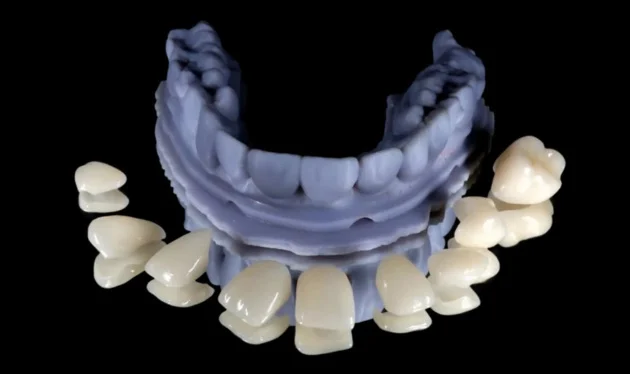
Custom porcelain veneers designed to alter tooth shape, size, or colour.
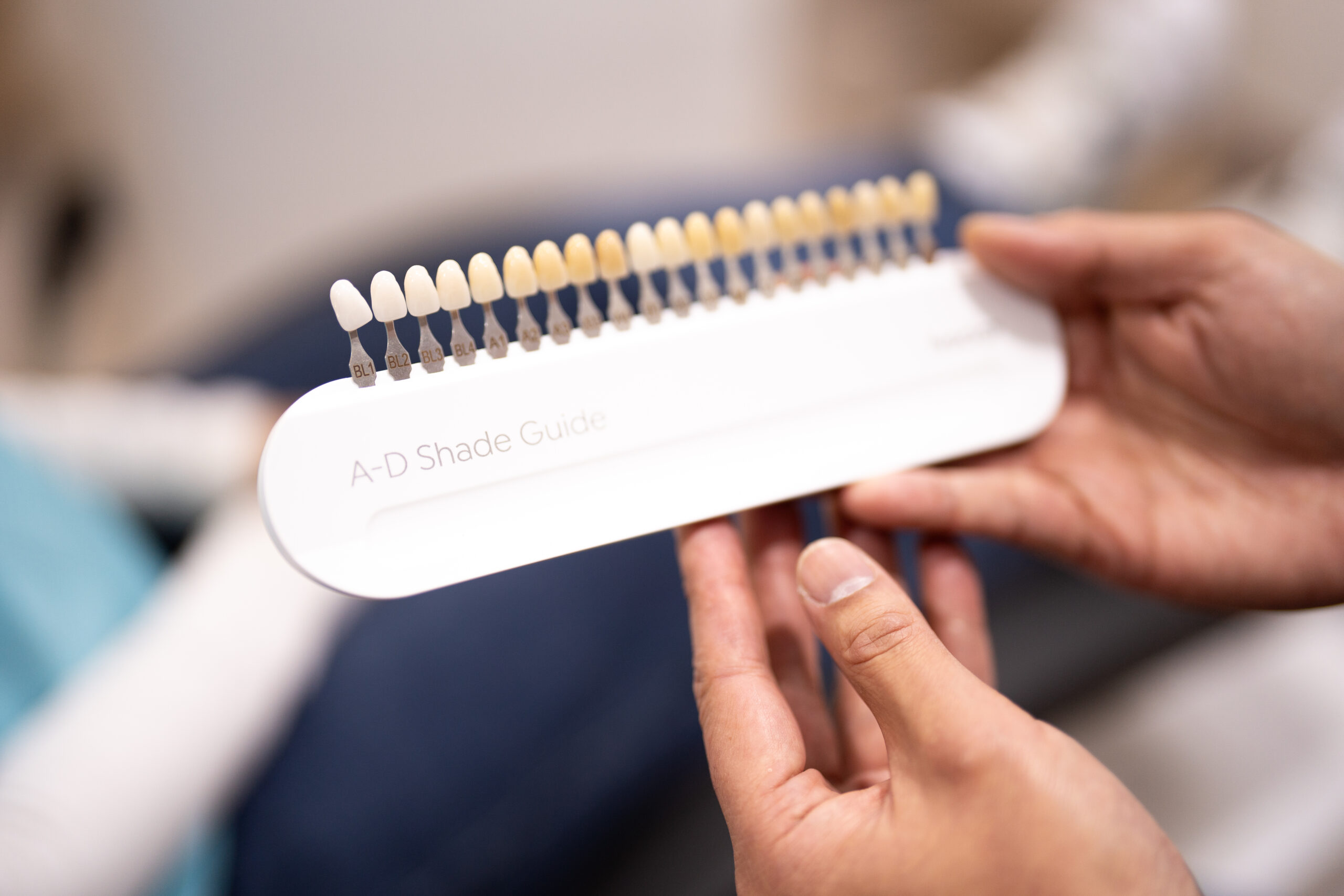
Professional in-clinic or at-home whitening systems designes to address tooth discolouration.
Considering Invisalign?
Book an assessment at Civic Gentle Dental Care in Canberra City for a clear view of what treatment would involve.