
Book a complimentary smile consultation to explore personalised, affordable treatment options for your unique smile.
A smile can look uneven even when the teeth themselves are fine, because the gum line sets the visible proportion of each tooth. Contouring adjusts that line — but only after establishing why it sits where it does, since the causes differ and not all of them are treated the same way.
Gum contouring reshapes the gum tissue around the teeth to adjust how much of each tooth is visible and to even out an irregular gum line. It is used where teeth appear short, where the gum line is asymmetrical, or where a significant amount of gum shows when smiling.
The important distinction is cause. A prominent gum line can result from the gum sitting low over otherwise normal teeth, from the way the upper lip moves, from the position of the upper jaw, or from teeth that have not fully erupted. Contouring addresses the first of these. The others need different approaches, and some are outside general dental practice entirely.
Contouring suits patients whose concern is specifically the gum line, and whose gums are healthy.
The assessment carries more weight here than the procedure does.
We examine the gum, the underlying bone level, tooth eruption and lip movement. This determines whether contouring will achieve what you want, or whether the cause lies elsewhere.
Contouring is not undertaken over active gum disease. Where inflammation or pocketing is present, that is treated and resolved first.
The proposed contour is planned and marked against tooth proportions and facial midline, and reviewed with you before proceeding.
Under local anaesthetic, the gum is reshaped to the planned contour. Where the underlying bone level also requires adjustment, this is a more involved procedure and will be discussed separately.
We review the healing gum tissue and confirm the contour has settled where planned.
Where contouring precedes veneers or crowns, we allow the gum to settle fully before taking final records, since the margin position depends on it.
Gum contouring is a surgical procedure on soft tissue and carries the risks associated with that.
Possible Risks:
Recovery and Aftercare:
Some settling and minor regrowth is normal as tissue heals. Where the underlying bone level was not addressed, more significant relapse is possible.
We will explain at assessment which situation applies to you, since it affects how durable the result will be.
The procedure is done under local anaesthetic. Tenderness for several days afterwards is expected and generally manageable with over-the-counter pain relief.
Contouring is normally done first and allowed to settle, because the final gum position determines where the veneer margin sits.
Taking final records before the gum has settled is a common cause of visible margins later.
Then contouring will not resolve it, and we will say so rather than proceeding. Depending on the cause, options may include orthodontic treatment or referral to a specialist.
An honest assessment is more useful than a procedure that does not address the actual cause.
Choosing Civic Gentle Dental Care standard means partnering with a practice built on deep clinical expertise and a genuine dedication to patient well-being.
Our dedicated team provides fully personalised treatment plans, combining advanced modern techniques with the precision of our specialised in-house ceramic laboratory. We focus on delivering optimal aesthetic and functional results for your smile, ensuring your entire experience is gentle, transparent, and completely professional.
We offer interest-free payment plans to help make your treatment more manageable.




*Subject to finance approval, fees and charged
Looking to explore more Cosmetic Dentistry or oral health options?
You may also be interested in:
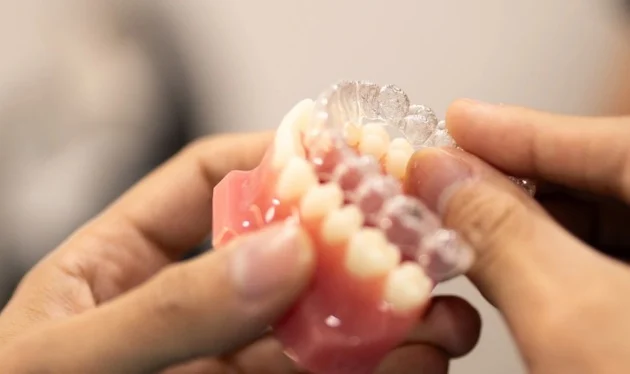
Frequently planned alongside gum line adjustment.
Used to plan tooth and gum proportions together.
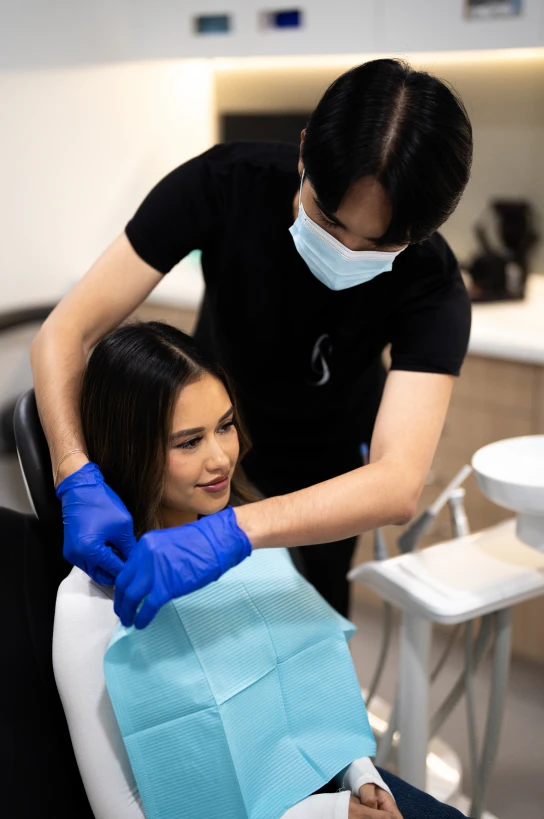
Periodontal health must be stable before contouring.
Concerned about your gum line?
Book an assessment at Civic Gentle Dental Care in Canberra City to establish what is causing it and whether contouring would help.