

Book a complimentary smile consultation to explore personalised, affordable treatment options for your unique smile.
Dental anxiety is common and, for some people, not resolved by a gentle approach alone. Sedation is a legitimate clinical option in those cases, and it is also useful for longer or more involved procedures. It is not the starting point for every anxious patient, but it should be on the table.
Sleep dentistry describes treatment carried out with sedation, so the patient is relaxed and less aware of the procedure. The depth of sedation varies considerably — from mild conscious sedation, where you remain awake and responsive, through to general anaesthetic, which is administered by an anaesthetist in a hospital or day surgery setting.
Local anaesthetic is still used regardless of the sedation, because sedation manages anxiety and awareness rather than pain. The two work together rather than one replacing the other.
Sedation is considered where anxiety, gag reflex or the nature of the procedure make ordinary treatment difficult.
Sedation requires a proper medical assessment before it can be offered.
We start by understanding what specifically is difficult — for many patients it is the injection, the sounds, or a loss of control, and some of those are addressed more simply than with sedation.
Your medical history, medications, allergies and general health determine which sedation options are appropriate and safe for you.
We set out what is available, what each involves, the level of awareness to expect, the recovery and the cost.
Sedated appointments require preparation — fasting instructions where relevant, an escort home, and arrangements for the rest of the day.
Treatment proceeds with sedation and local anaesthetic. Monitoring continues throughout, appropriate to the level of sedation used.
You are monitored until safe to leave, accompanied by your escort, with written aftercare instructions.
Sedation carries genuine medical risks and requires proper assessment. It is not a routine add-on.
Possible Risks:
Recovery and Aftercare:
Access our detailed price guide to understand the investment in your dental care options.
That depends entirely on the level of sedation. Conscious sedation leaves you awake and able to respond, though relaxed and with reduced recall. General anaesthetic is a different proposition, administered by an anaesthetist in a hospital or day surgery setting.
We will explain precisely which is being proposed for your case.
Yes. Sedation manages anxiety and awareness rather than pain, so local anaesthetic is still used. Most sedated patients have no recollection of receiving it.
No. You must have a responsible adult to accompany you home, and you should not drive, operate machinery or make significant decisions for the rest of the day.
This applies to conscious sedation as well as deeper options.
Often not. Extra appointment time, numbing gel before injections, a clear signal to stop at any point and a slower pace resolve a great deal.
We would generally try those first and reserve sedation for where they are not enough, or for longer procedures.
At Civic Gentle Dental Care, we pair high-level clinical expertise with a focus on patient well-being.
By utilising modern technology alongside our dedicated in-house dental laboratory, our practitioners formulate individualised treatment pathways for every patient. This integrated approach ensures predictable, high-grade results for your teeth while maintaining a gentle, reassuring standard of care throughout your visit.
We offer interest-free payment plans to help make your treatment more manageable.




*Subject to finance approval, fees and charged
Looking to explore more General Dentistry or oral health options?
You may also be interested in:
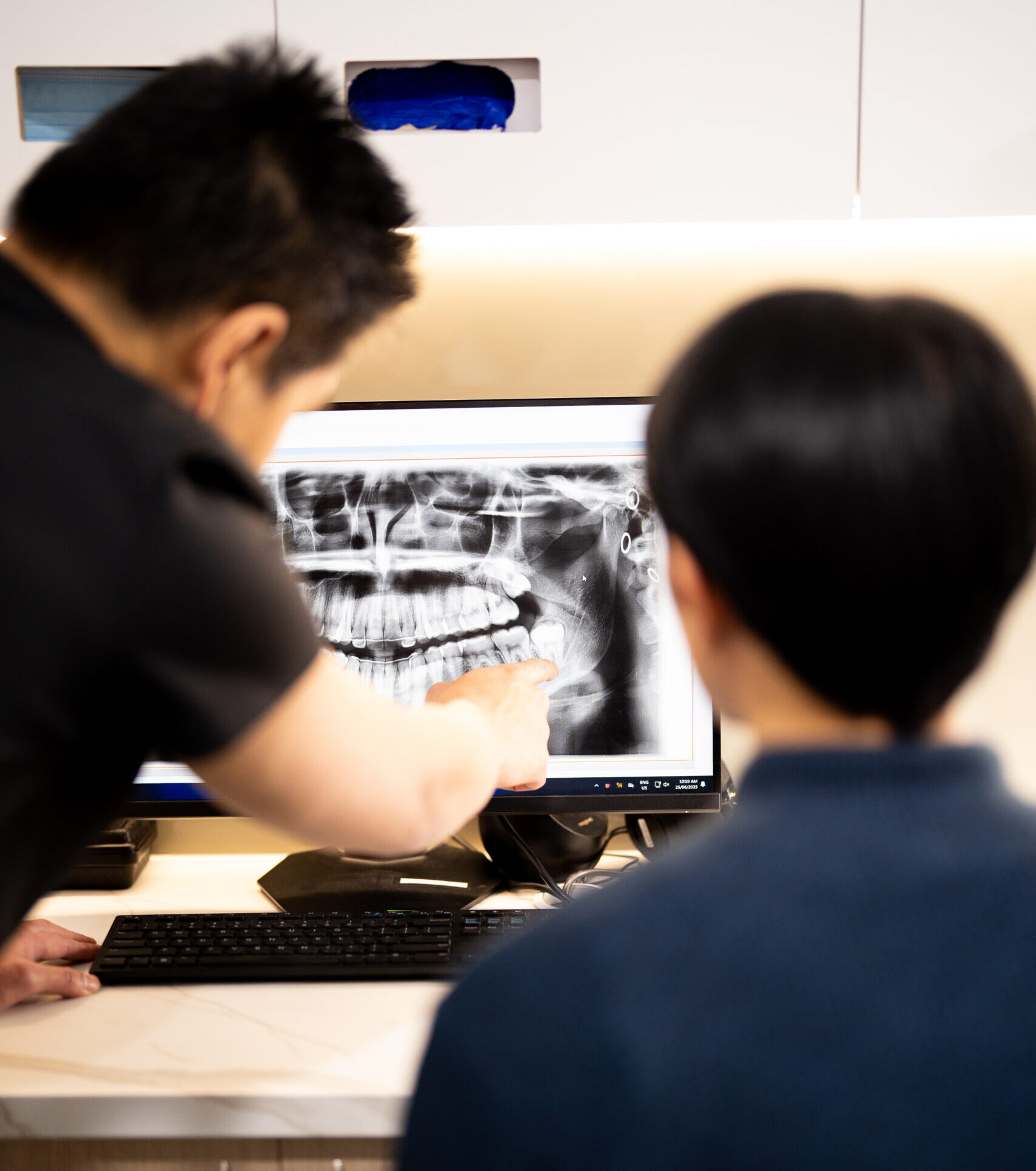
A common reason for considering sedation.

Where a gentle approach is often enough on its own.
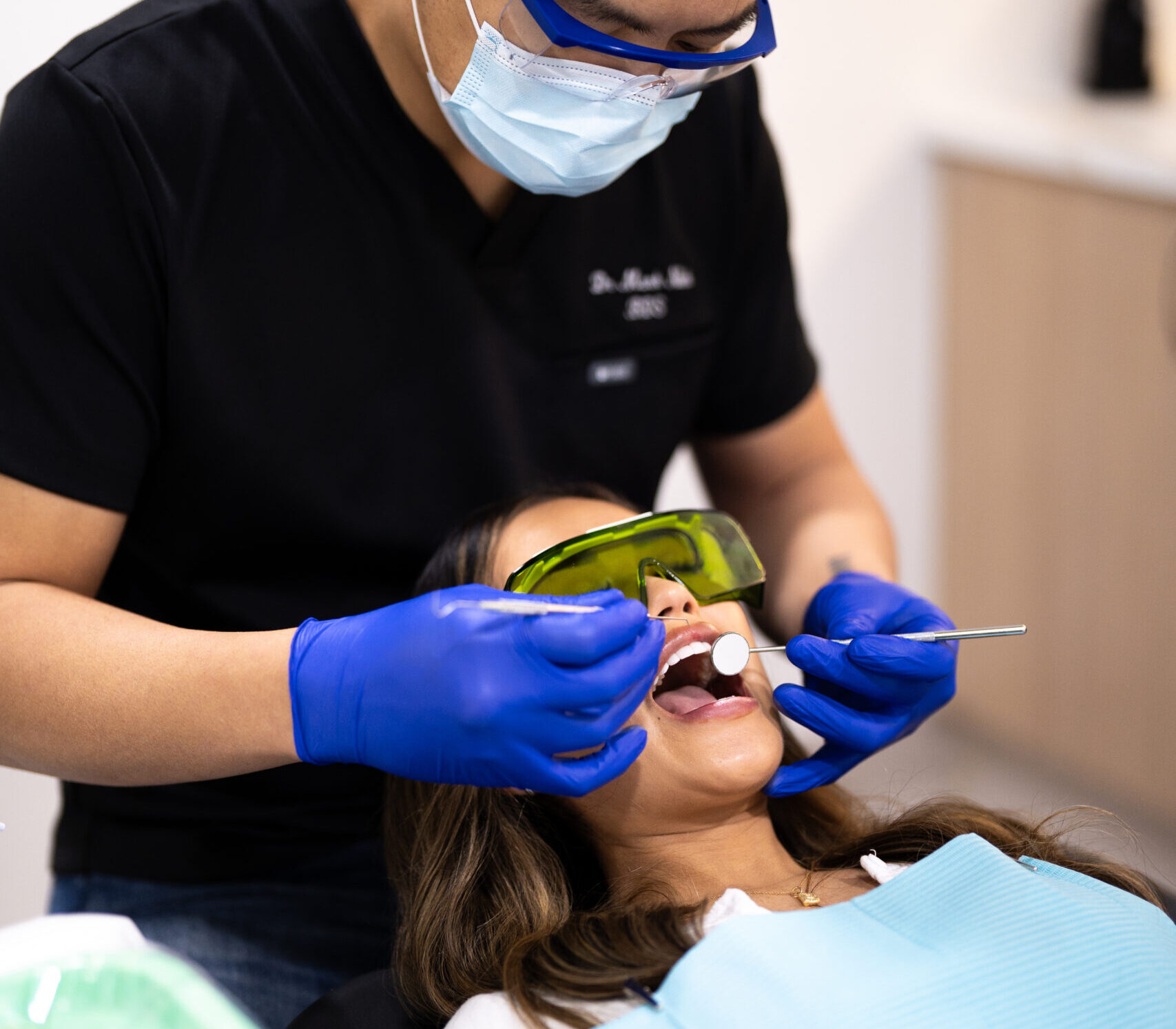
Where anxiety has delayed treatment until it became urgent.
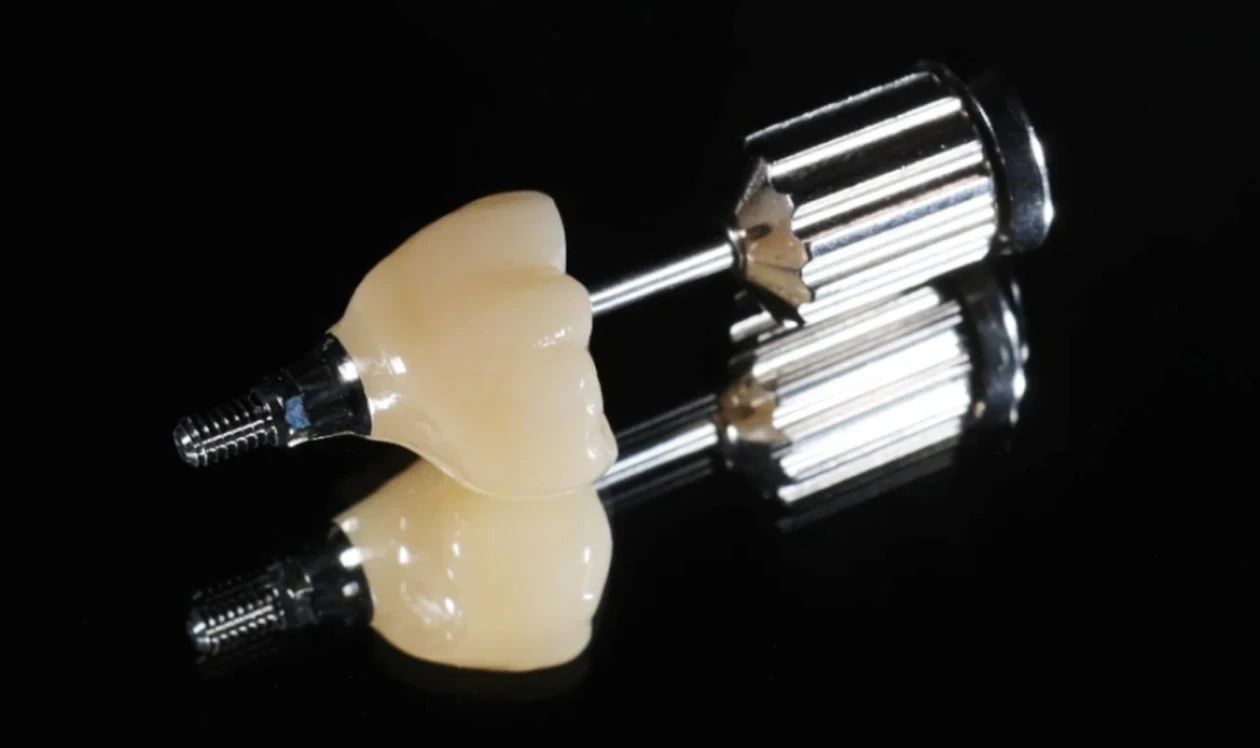
Longer surgical procedures where sedation may be discussed.
Have dental anxiety that has kept you away?
Book a conversation at Civic Gentle Dental Care in Canberra City. No treatment at the first appointment unless you want it.