

Book a complimentary smile consultation to explore personalised, affordable treatment options for your unique smile.
A crown is not a cosmetic upgrade; it is structural protection. A tooth weakened by decay, a large old filling or a crack will eventually split under normal chewing load, and a split through the root usually means losing the tooth. A crown binds the remaining structure together so that does not happen.
A crown is a custom-made cap that covers the entire visible portion of a tooth, restoring its shape, strength and appearance. Crowns are used where too much tooth structure has been lost for a filling to be reliable — after a fracture, following root canal therapy, or where an old restoration has failed and the remaining walls are thin.
Porcelain crowns are made from dental ceramic, which is colour-stable and can be matched closely to the surrounding teeth. Crowns can be made in the practice in a single visit or fabricated in a laboratory, depending on the tooth and the material selected.
Crowns are recommended where the remaining tooth structure is insufficient to support a filling reliably.
The margin where crown meets tooth determines how long the restoration lasts, which is why the preparation and fitting stages matter more than the material choice.
We check how much sound structure remains, whether the nerve is healthy, and how the tooth meets its opposing partner. Occasionally this shows root canal therapy is needed first, which is far better to know now.
Crowns can be made from various ceramics and combinations, each with strengths depending on the tooth’s position and your bite. We explain what we recommend and why.
Under local anaesthetic, decay or failed restoration is removed and the tooth shaped to receive the crown. Where the remaining structure needs reinforcing first, that is done at this stage.
The prepared tooth is scanned digitally. For a same-day crown the restoration is milled in the practice; for laboratory crowns, a temporary is fitted and the scan sent to the laboratory.
The crown is tried in, checked at the margins, adjusted against your bite and cemented. Getting the bite right matters more than most patients realise — a crown left fractionally high is the usual cause of post-treatment discomfort.
We review the tooth at your next check-up. Crowns do not decay but the tooth beneath them can, so the margin needs the same brushing and flossing attention as anywhere else.
Crowns are a well-established restoration, but preparation is permanent and there are risks worth understanding.
Possible Risks:
Recovery and Aftercare:
Where more than roughly half the tooth is gone, a large filling leaves thin walls prone to splitting. A crown covers and binds the tooth so load is distributed rather than concentrated.
We will show you the X-ray and explain what we are seeing. Placing a large filling to defer a crown sometimes makes sense, and sometimes costs the tooth.
Many years with good hygiene and regular maintenance, though they are not permanent. Grinding and decay at the margin are the main reasons crowns fail early.
Ceramic is shade-matched to the adjacent teeth. Matching a single front crown is technically demanding and we will be realistic with you about how close a match is achievable.
Back teeth are considerably more straightforward.
Yes. The crown itself does not decay but the tooth beneath it can, particularly at the margin where crown meets tooth.
That margin sits at the gum line and needs flossing, which is the single most useful thing you can do to make a crown last.
Choosing Civic Gentle Dental Care standard means partnering with a practice defined by extensive clinical experience and an unwavering commitment to patient well-being.
Our dedicated team designs fully personalised treatment plans, combining advanced modern techniques with the precision of our specialised in-house ceramic laboratory. We are focused on delivering exceptional aesthetic and functional outcomes for your smile, ensuring your care is comfortable, supportive, and seamless at every step.
We offer interest-free payment plans to help make your treatment more manageable.




*Subject to finance approval, fees and charged
Looking to explore more Restorative Dentistry or oral health options?
You may also be interested in:
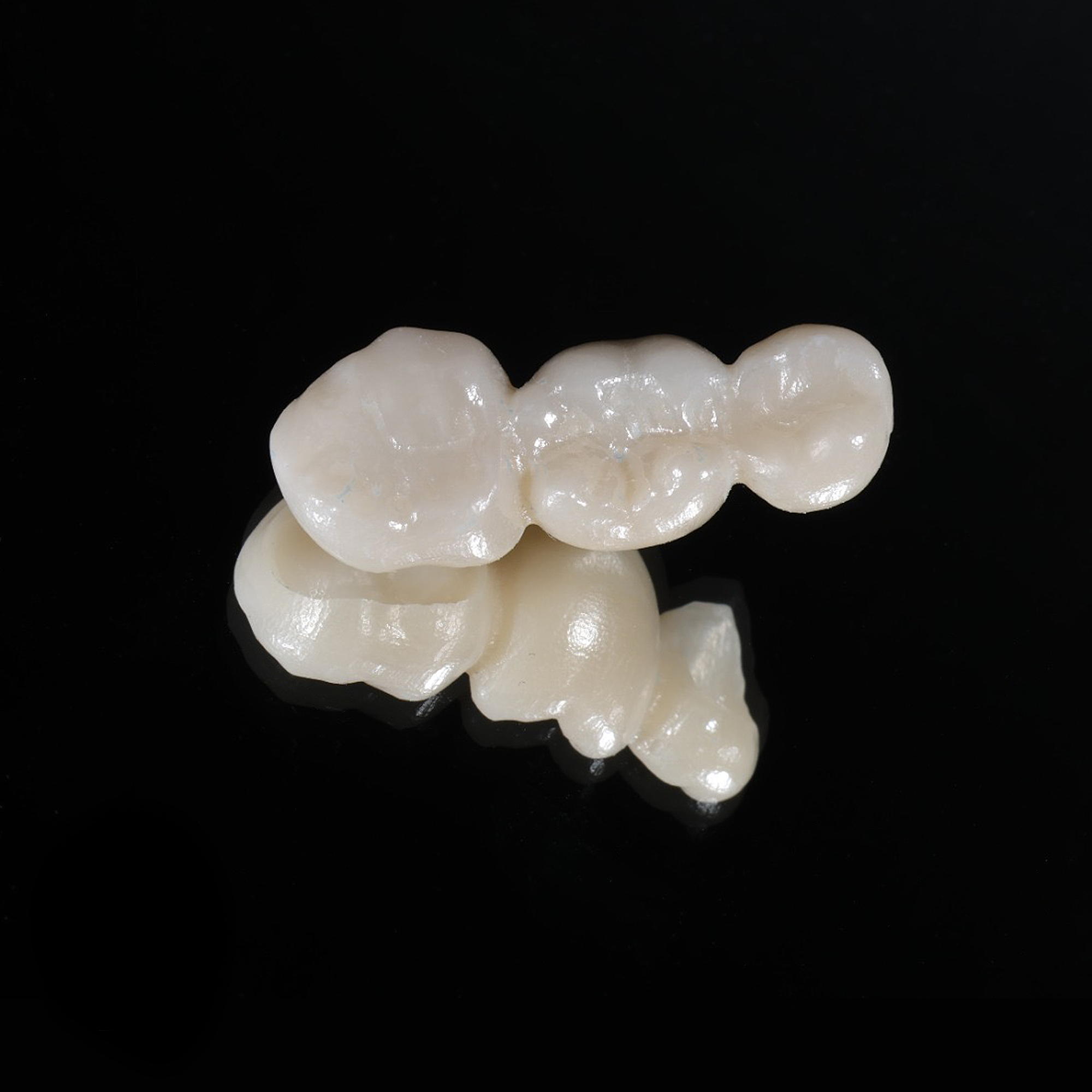
Crowns used to support a replacement tooth across a gap.
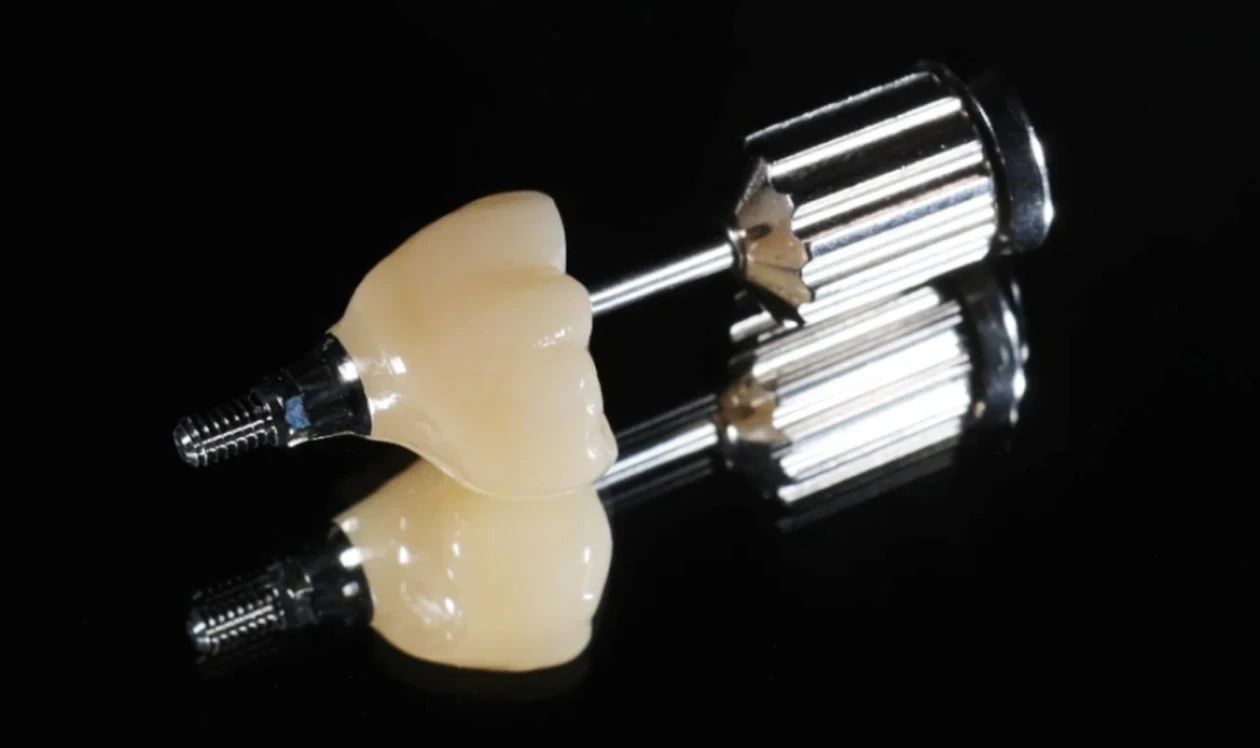
Where a tooth cannot be saved and needs replacing.
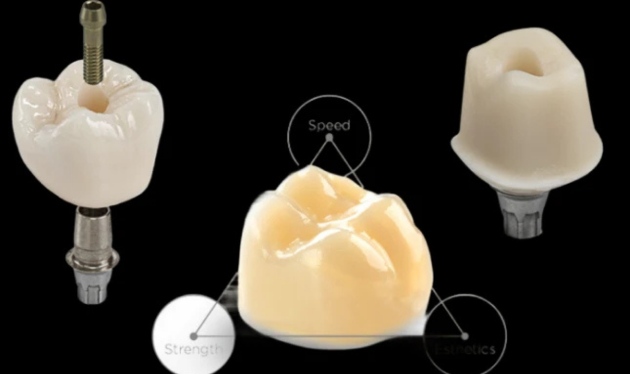
Digitally milled crowns completed in a single visit.
Often required before crowning a heavily damaged tooth.
Dealing with a cracked or heavily filled tooth?
Book an assessment at Civic Gentle Dental Care in Canberra City to find out whether a crown is the right answer.