

Book a complimentary smile consultation to explore personalised, affordable treatment options for your unique smile.
The pain associated with root canals in the popular imagination is the pain of the infection that brings people in, not the treatment that resolves it. Done under local anaesthetic, the procedure is generally comparable to having a filling placed.
Inside every tooth is a chamber containing nerve and blood vessels, called the pulp. When decay, a crack or trauma allows bacteria to reach the pulp, it becomes inflamed and then infected. Because the chamber is enclosed by hard tooth structure, the swelling has nowhere to go, which is why the pain can be severe.
Root canal therapy removes the infected pulp, disinfects and shapes the canal system, and seals it so bacteria cannot recolonise. Once a pulp is irreversibly inflamed it will not recover on its own — the options are root canal therapy or extraction. Antibiotics may reduce a swelling temporarily but cannot resolve it, since there is no blood supply left inside the tooth to carry them where they are needed.
Root canal therapy is indicated where the pulp is irreversibly inflamed or infected.
Treatment is usually completed over one or two appointments, depending on the tooth.
Examination and X-ray establish which tooth is responsible, the shape of the canal system and the extent of infection.
A local anaesthetic is administered to completely numb the tooth and surrounding area. A small, protective sheet called a “dental dam” is placed to keep the tooth clean and dry during the procedure.
An access opening is made, the infected pulp removed, and the canals cleaned, disinfected and shaped with fine instruments.
Once thoroughly disinfected, the canals are filled with a biocompatible sealing material and the access sealed.
A tooth that has had root canal therapy is more brittle, having lost internal structure and its blood supply. Back teeth in particular fracture without protection, so a crown is usually recommended.
We review the tooth and monitor healing at the root over subsequent visits.
Root canal therapy has a high success rate but is not guaranteed, and the treated tooth needs protecting afterwards.
Possible Risks:
Recovery and Aftercare:
Anterior teeth — $1,200 to $1,300
Premolars — $1,500 to $1,600
Molars — $1,800 to $2,000
The price varies with the number of roots present within the tooth, which is why front teeth sit at the lower end of the range and molars at the upper end.
This price excludes the final restoration of the tooth. Afterwards the tooth needs either a filling ($209 to $450) or, on molars and premolars, a porcelain crown (from $1,800). That restoration is quoted separately, and we set out the cost of both stages before you begin so there is no surprise at the second appointment.
Complex cases may be referred to an endodontic specialist, whose fees are separate. This price guide is an estimate only and not a final quote. All quotes are valid for 6 months and subject to change after that period.
Access our detailed price guide to understand the investment in your dental care options.
The procedure itself should not be. It is performed under local anaesthetic and is typically comparable to having a filling.
It is the infection that causes pain, not the treatment. Mild tenderness for a few days afterwards is normal and usually managed with over-the-counter pain relief.
Usually one or two, depending on the tooth and the extent of infection. Front teeth have a single canal and are more straightforward; molars have three or four with sometimes complex anatomy.
On molars and premolars, in almost all cases. The tooth has lost internal structure and its blood supply, which makes it brittle, and a fracture through the root usually means losing it.
The crown is a separate treatment and quoted separately.
The infection does not resolve. It typically progresses to an abscess at the root tip, which can cause facial swelling and can spread.
Facial swelling with fever, difficulty swallowing or difficulty opening the mouth is a medical emergency requiring immediate hospital care, not a dental appointment.
Choosing Civic Gentle Dental Care standard means partnering with a practice built on extensive clinical experience and an unwavering commitment to patient well-being.
Our dedicated team crafts fully personalised treatment plans, combining modern, evidence-based techniques with the precision of our specialised in-house ceramic laboratory. We are dedicated to delivering exceptional aesthetic and functional outcomes for your smile, ensuring your entire experience is gentle, transparent, and completely professional.
We offer interest-free payment plans to help make your treatment more manageable.




*Subject to finance approval, fees and charged
Looking to explore more Cosmetic Dentistry or oral health options?
You may also be interested in:
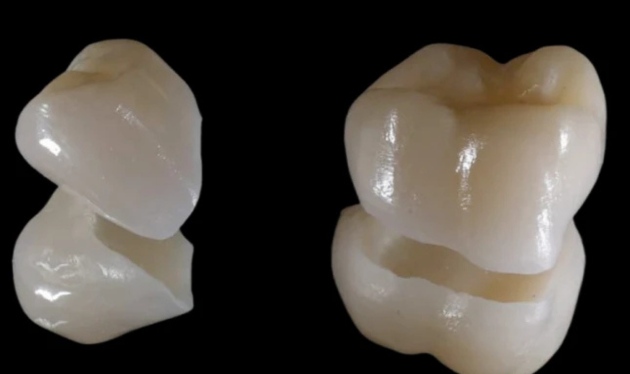
Usually required after root canal therapy on back teeth.

The alternative where a tooth cannot be saved.
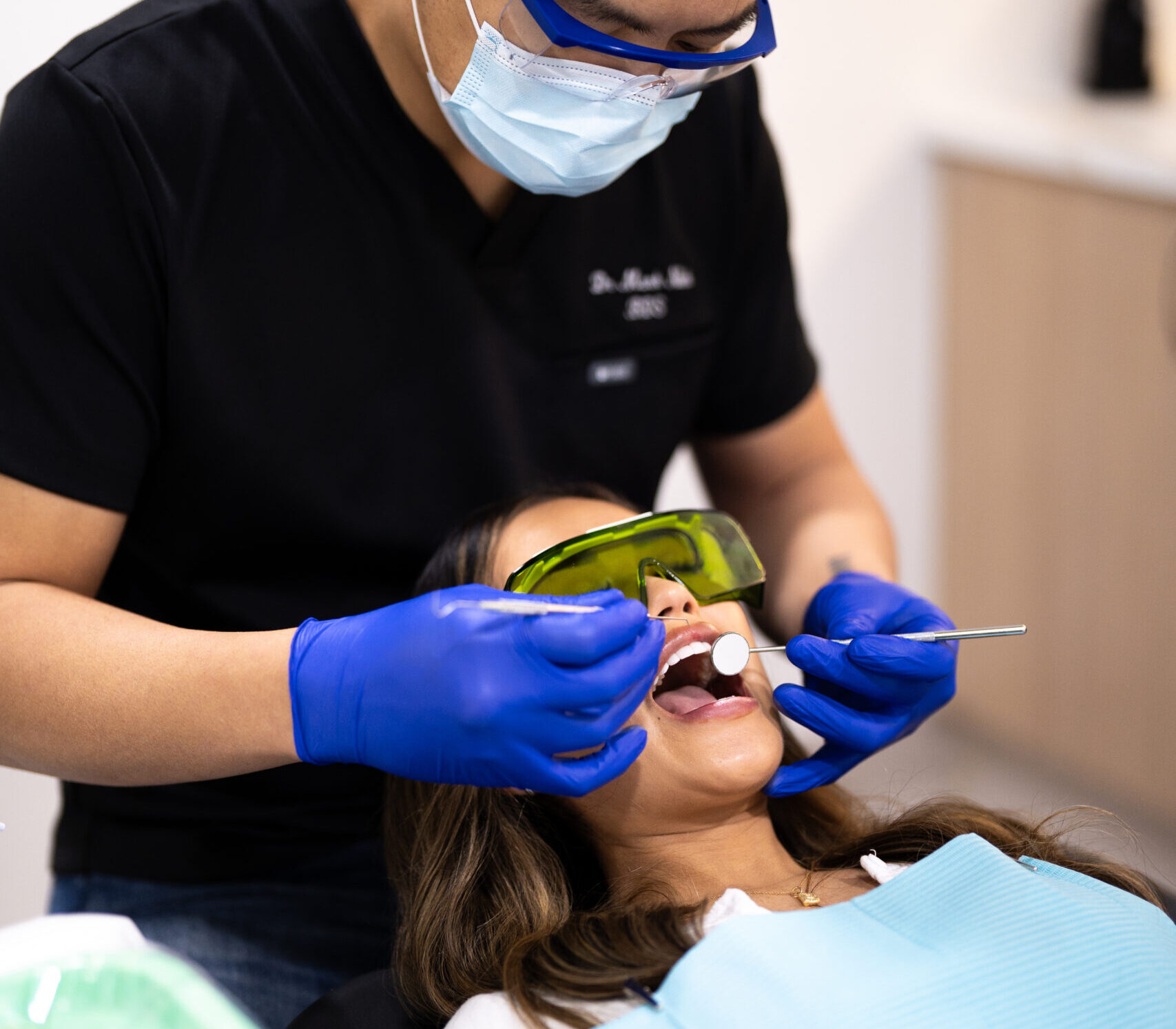
For acute pain or swelling that cannot wait.
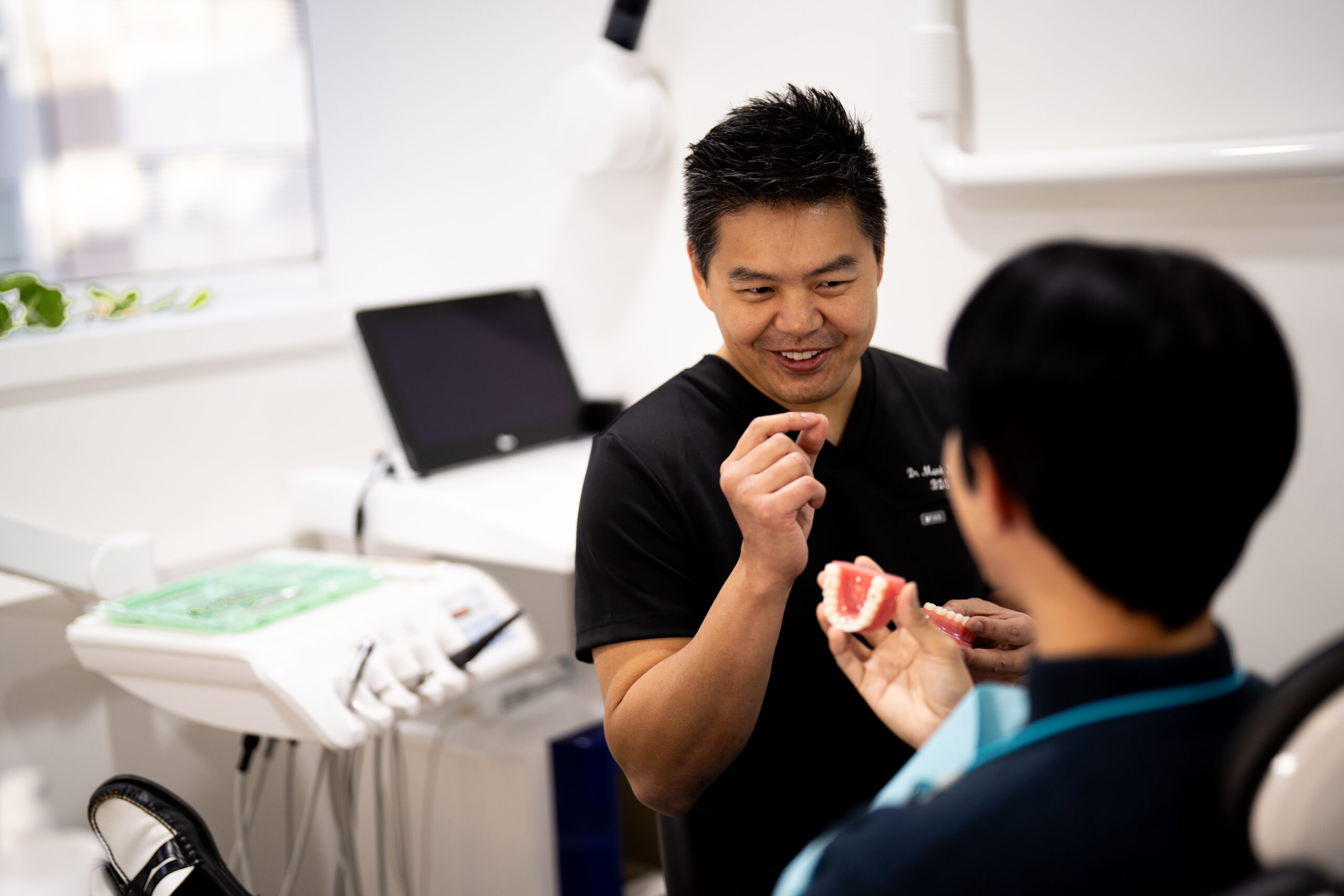
Where decay is caught before the nerve is involved.
In significant pain?
Call Civic Gentle Dental Care in Canberra City on (02) 6247 0224. We will do our best to see you the same day.