
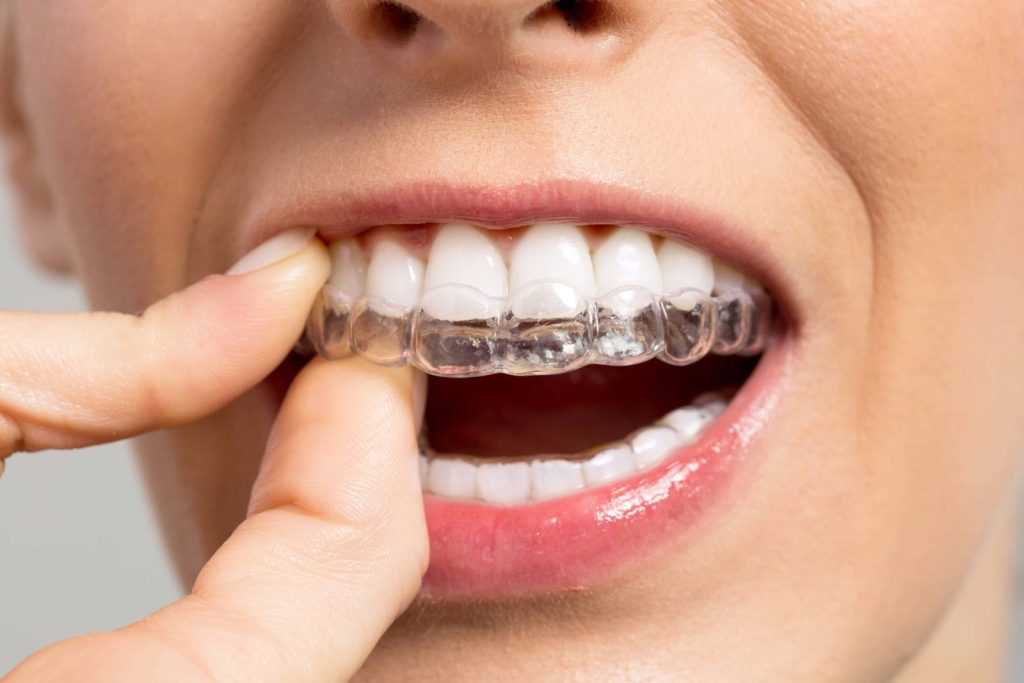
Sport is the most common cause of knocked-out and fractured front teeth in children and adults. It is also the most preventable, and the preventive measure is cheap relative to what it prevents.
With summer seasons starting, this is the point in the year to sort it, not the week after something happens.
What a mouthguard actually does
A mouthguard absorbs and distributes impact force that would otherwise concentrate on individual teeth. It cushions the teeth against a direct blow, stops the lower jaw slamming into the upper, and protects the lips and cheeks from being lacerated against the teeth.
It does not make injury impossible. It substantially reduces the likelihood and the severity, which is a different and more honest claim.
Who needs one
Any contact or collision sport: rugby league and union, AFL, hockey, boxing and martial arts, basketball, soccer, water polo, lacrosse. Also worth considering for skateboarding, BMX, mountain biking, cricket for wicketkeepers and close fielders, and any sport where a ball, stick, elbow or ground contact can reach the face.
Anyone who has had orthodontic treatment has a particular interest in protecting the result, and anyone with veneers, crowns or implants on the front teeth has an expensive reason to wear one.
Custom-made versus boil-and-bite
Custom-made
Made from an impression or digital scan of your own teeth, so it fits precisely and stays in place without being held there by clenching. That matters more than it sounds: a guard that fits properly is one people actually keep in, and one that stays put during the impact that counts. It is also thicker where protection is needed and thinner where it is not, so breathing and speaking are easier.
Boil-and-bite
Softened in hot water and bitten into shape. Inexpensive and available anywhere. The fit is approximate, they tend to be bulky, and they are commonly held in place by clenching, which means they are often pushed out or removed mid-game. They offer some protection and are far better than nothing, but the difference in fit and retention is the reason dentists recommend custom guards for regular play.
Stock guards
Pre-formed, not adjustable, and generally the least effective. Difficult to keep in and difficult to breathe around.
Children and growing mouths
Children lose teeth and grow jaws, so a custom guard will need remaking periodically, often each season while the adult teeth are coming through. That is a real cost and a fair consideration, but the alternative is risking an adult front tooth in a child who will live with the result for decades. A knocked-out adult tooth in a ten year old is a lifetime of restorative work.
Children with braces need a guard designed to accommodate the brackets. Ask specifically, because a standard guard will not fit and may damage the appliance.
Looking after it
- Rinse in cold water before and after use, and clean with a brush and mild soap. Not toothpaste, which is abrasive.
- Store dry, in a ventilated case, away from heat. A guard left in a car or in direct sun will distort and not recover.
- Never rinse or soak in hot water.
- Bring it to your dental check-ups so fit and wear can be assessed.
- Replace it when it becomes thin, torn or loose, or when teeth have moved.
If an injury happens anyway
Know what to do before you need to. For a tooth knocked completely out, the first thirty minutes matter more than anything that happens afterwards. See knocked-out tooth: what to do in the first hour, and for a partial fracture, chipped or cracked tooth: urgent versus routine. Keeping milk in the fridge and our number saved is a two-minute job that occasionally saves a tooth.
What it costs
A custom sports mouthguard is made the same way as an occlusal splint and is quoted at your appointment; our custom splints start from $770 and a sports guard is typically less, depending on the design and number of layers. Set that against the cost of repair: tooth-coloured fillings range from $209 to $450, porcelain crowns start from $1,800, root canal treatment ranges from $1,200 to $2,000, and a dental implant to replace a lost tooth starts from $5,500.
Many health funds pay a rebate toward a custom mouthguard under extras cover, and HICAPS is available at the appointment. Current fees are on our price list, with more on dental care for children.
Common questions
How many appointments does a custom guard take?
Usually two: one for the scan or impression, one to fit it. Allow a couple of weeks before the season starts.
Can I wear a mouthguard with braces?
Yes, but it must be made for braces. Mention the appliance when you book.
Do I need a guard on the lower teeth too?
An upper guard is standard and sufficient for most sports. A lower guard is occasionally advised where the bite or the sport warrants it.
Can I use my night splint for sport?
No. An occlusal splint is designed to manage grinding forces, not impact, and the materials and thickness are different.
Booking an appointment in Canberra City
Civic Gentle Dental Care is a dentist in Canberra at Suite 8, Level 3/161 London Circuit, Canberra City, a short walk from the Canberra Centre. To arrange an appointment, call (02) 6247 0224 or send us a message through our contact page.
This article is general information only and is not a substitute for individual dental advice. Whether a treatment is suitable for you, and what it will involve, can only be determined after an examination by a dentist. Any prices mentioned are estimates drawn from our current price guide and are not a quote.