
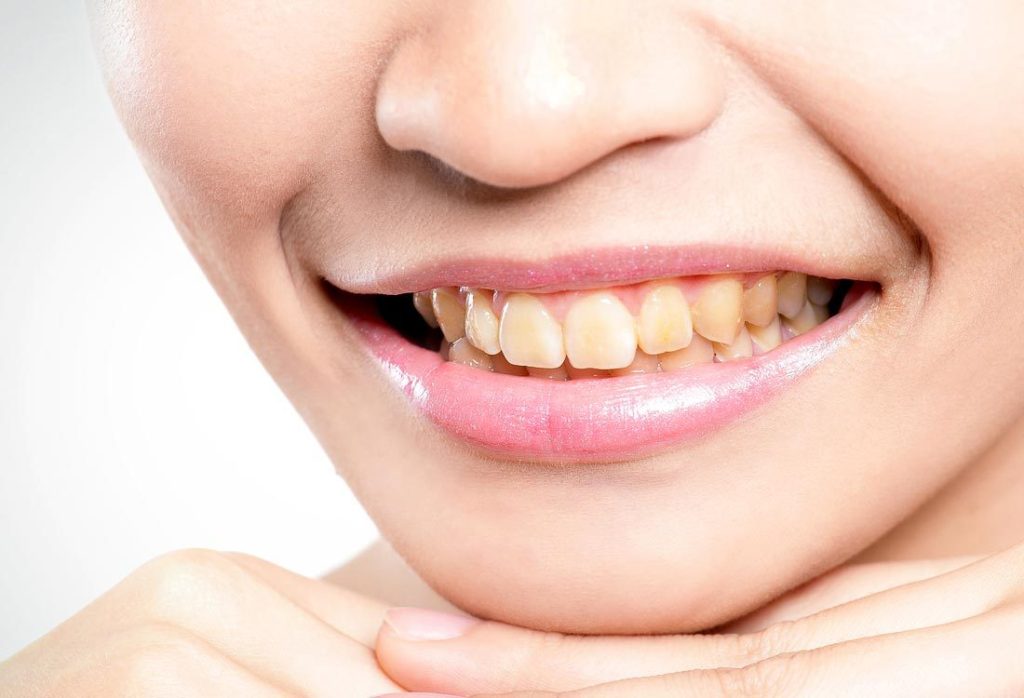
Most people who grind their teeth at night have no idea they do it. Nobody observes their own sleep, and the jaw muscles are strong enough to generate forces during sleep that a person would never apply while awake. The damage is usually spotted by a dentist, or inferred from a pattern of symptoms that seems unconnected.
The signs
- Jaw stiffness or aching on waking, easing as the morning goes on.
- Headaches at the temples, again often worst in the morning.
- Teeth that have become flat across the biting edges, or front teeth that have shortened.
- Generalised sensitivity, particularly at the gum line where enamel has chipped away.
- Teeth that chip or crack repeatedly without obvious cause.
- Fillings, crowns or veneers that keep failing or debonding.
- A ridged line along the inside of the cheek, or scalloped indentations along the edge of the tongue.
- Clicking, locking or limited opening of the jaw joint.
- A partner who mentions the noise.
Daytime clenching is a separate and equally common pattern, usually silent and tied to concentration or stress. People who clench at a desk often notice their teeth touching whenever they check. At rest, the teeth should be apart.
Why it happens
Bruxism is not a single condition with a single cause. Contributing factors include stress and anxiety, sleep-disordered breathing including sleep apnoea, some medications including certain antidepressants, alcohol, caffeine and nicotine, and the way the teeth meet. Sleep-related grinding appears to be driven largely by arousal patterns during sleep rather than by the bite itself, which is part of why adjusting the bite alone rarely solves it.
Where snoring, witnessed pauses in breathing or persistent daytime tiredness accompany grinding, it is worth raising with your doctor, because grinding is a recognised association with obstructive sleep apnoea.
What the damage looks like
Enamel does not regenerate. Sustained grinding wears the biting surfaces flat, shortens the front teeth, and exposes the softer dentine underneath, which then wears faster still. Small chips accumulate at the gum line. Teeth become sensitive as dentine is exposed. Restorations fail more often, because the same forces that wore the tooth act on the filling or crown. Advanced wear can change facial proportions as the vertical height of the bite is lost, and rebuilding it at that point is a significant undertaking.
The jaw joint and muscles carry their own consequences: muscle fatigue and pain, joint clicking, restricted opening, and in some cases referred pain to the ear or neck. More on this on our TMJ and jaw pain page.
What an occlusal splint does
An occlusal splint, sometimes called a night guard or bite splint, is a custom-made hard acrylic appliance worn over the teeth during sleep. It is made from impressions or scans of your own teeth, so it fits precisely.
It does two things. It puts a sacrificial layer between the upper and lower teeth, so the splint wears instead of the enamel. And by providing an even contact surface, it changes the way the muscles load, which for many people reduces muscle activity and morning soreness.
What it does not do is stop the grinding. It is protective rather than curative, which is why it is usually paired with addressing whatever is driving the habit.
Custom versus over-the-counter
Boil-and-bite guards from a pharmacy are soft and bulky. Soft materials can actually encourage more muscle activity in some people, because they invite chewing, and a poor fit can allow teeth to shift over months of wear. A custom splint is made to fit one mouth and to distribute contact evenly.
What else helps
- Awareness training for daytime clenching. Reminders through the day, checking whether the teeth are touching, and consciously resting the jaw with the tongue on the palate and teeth apart.
- Sleep and stress measures. Consistent sleep timing, reducing alcohol and caffeine in the evening, and whatever genuinely lowers your stress load.
- Warmth and gentle stretching for sore masseter muscles.
- Physiotherapy where the jaw joint itself is involved.
- Reviewing medications with your prescribing doctor where a drug is a plausible contributor.
- Restoring worn teeth once the grinding is controlled, not before.
What it costs
A custom occlusal splint at Civic Gentle Dental Care starts from $770. Where grinding has already damaged teeth, restorative costs depend on the extent: tooth-coloured fillings range from $209 to $450 and porcelain crowns start from $1,800. Most health funds provide a rebate toward a splint under extras cover, and HICAPS is available at the appointment. Current fees are on our price list.
Common questions
Will a splint stop me grinding?
Generally no. It protects the teeth and often eases muscle soreness, but the grinding activity itself usually continues. That is the expected role of the appliance.
How long does a splint last?
It depends entirely on how heavily you grind. Some splints show significant wear within a year, others last several. It should be brought to your regular check-ups so wear can be assessed.
Can I wear a splint with braces or aligners?
Not at the same time as fixed braces. During clear aligner treatment the aligners themselves cover the teeth. Discuss the sequence with your dentist, and see our comparison of aligners and braces.
My child grinds their teeth. Do they need a splint?
Grinding is common in children and frequently resolves as the adult teeth come through. Splints are not usually made for growing mouths. Mention it so wear can be monitored.
Booking an appointment in Canberra City
Civic Gentle Dental Care is a dentist in Canberra City at Suite 8, Level 3/161 London Circuit, a short walk from the Canberra Centre. To arrange an appointment, call (02) 6247 0224 or send us a message through our contact page.
This article is general information only and is not a substitute for individual dental advice. Whether a treatment is suitable for you, and what it will involve, can only be determined after an examination by a dentist. Any prices mentioned are estimates drawn from our current price guide and are not a quote.