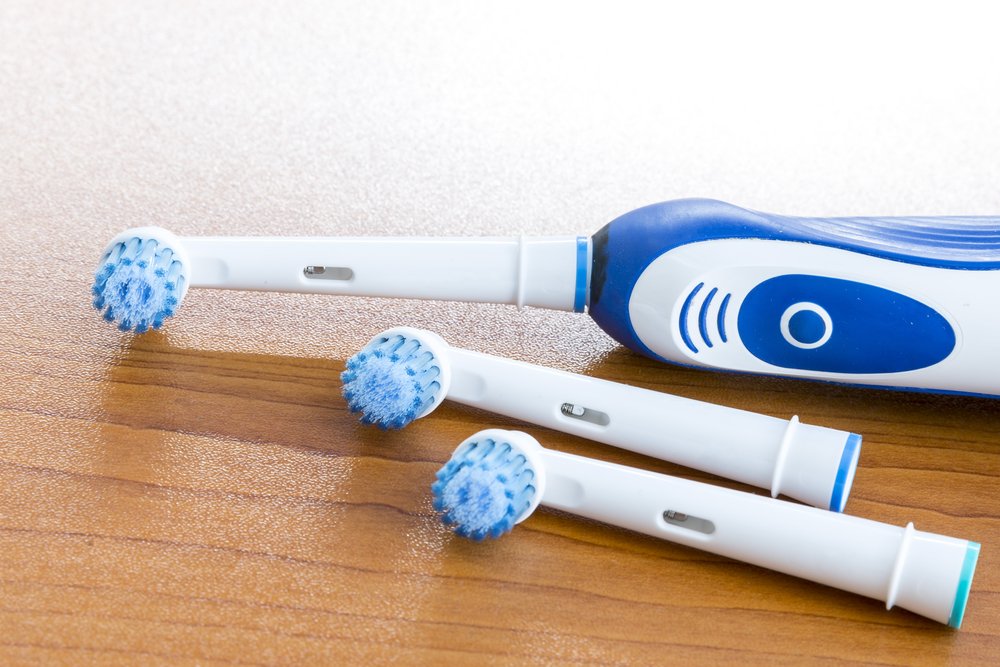
The honest answer to which toothbrush is better is that a manual brush used well outperforms an electric brush used badly. The more useful answer is that most people do not use a manual brush well, and an electric brush makes the correct technique substantially easier to achieve.
What the evidence supports
Reviews of the research consistently show that powered brushes, particularly oscillating-rotating designs, remove modestly more plaque and produce slightly less gum inflammation than manual brushing over time. The difference is real but not dramatic. It matters most for people who brush too hard, who struggle with dexterity, or who have appliances to clean around.
Where an electric brush earns its place is in the features that correct habits: a pressure sensor that tells you when you are pressing too hard, and a timer that runs for the full two minutes. Almost nobody brushes for two minutes without one. Most people stop somewhere under a minute and believe it was longer.
Choosing an electric brush
- A pressure sensor is the most valuable feature. Brushing too hard causes gum recession and notching at the neck of the tooth without removing more plaque.
- A two-minute timer, ideally with thirty-second quadrant prompts.
- A small round or compact head, which reaches the back teeth and the gum line more easily than a large one.
- Soft bristles. Always. Medium and hard bristles have no advantage and do damage.
- Bluetooth apps, multiple modes and travel cases are preference, not clinical benefit.
Choosing a manual brush
Soft bristles, a small head and a handle you can hold comfortably. That is the whole specification. There is no evidence that expensive manual brushes clean better than inexpensive ones.
Technique, which is the part that matters
With a manual brush
Angle the bristles at about forty-five degrees to the gum line, so they sit partly on the tooth and partly on the gum. Use small circular or short back-and-forth movements, covering two teeth at a time. Light pressure. Work systematically: outer surfaces, inner surfaces, biting surfaces, and do not skip the inside of the lower front teeth or the outside of the upper back molars, which are the two most commonly missed areas. Two minutes, twice a day.
With an electric brush
Do not scrub. The brush does the movement; your job is placement. Hold it against each tooth for a few seconds, angled slightly into the gum line, then move to the next. Let the bristles rest against the surface without pressing. Most people who find an electric brush uncomfortable are using it like a manual one.
The things that matter as much as the brush
- Fluoride toothpaste, at a concentration appropriate to your age and risk. Spit, do not rinse, so the fluoride stays on the teeth.
- Cleaning between the teeth daily. No brush of any kind reaches the surfaces between teeth. See cleaning between your teeth.
- Replacing the head every three months, or sooner if the bristles splay. Splayed bristles within a few weeks means you are pressing too hard.
- Timing around acid. Wait at least thirty minutes after acidic food or drink before brushing, so you are not brushing softened enamel.
- Brushing before bed. Saliva flow drops overnight, so plaque left at bedtime does more damage than plaque left during the day.
If you already have recession or sensitivity
Aggressive brushing is a major contributor to gum recession and to notching at the neck of the tooth. If your gums have receded or your teeth are sensitive along the gum line, the brush and the technique are the first things to review. A pressure sensor is particularly useful here. More in sensitive teeth: causes and what helps.
A note on charcoal and whitening pastes
Highly abrasive pastes, charcoal formulations included, wear enamel and dull the surface of restorations over time. They remove some surface stain by abrasion rather than changing the colour of the tooth. A standard fluoride toothpaste and a professional clean achieve more with none of the wear.
Getting your technique checked
At a check-up and clean the clinician can show you exactly where plaque is accumulating on your own teeth, which is far more useful than general advice. Our new patient consultation and clean package starts from $219 and includes an examination, scale and clean, fluoride treatment and two bitewing X-rays. Current fees are on our price list, with more on cleans at our Canberra practice.
Common questions
Is an expensive electric brush worth it over a cheap one?
The clinically useful features are a pressure sensor, a timer and a small soft head. Once a brush has those, additional cost buys convenience rather than better cleaning.
How hard should I press?
Lightly enough that the bristles bend only slightly. If the bristles flatten against the tooth, you are pressing too hard.
Should I rinse after brushing?
Spit out the excess but avoid rinsing with water, which washes away the fluoride before it has had time to work.
Are electric brushes safe with veneers or crowns?
Yes, with a soft head and light pressure. Avoid abrasive pastes, which dull the surface. See looking after veneers day to day.
Booking an appointment in Canberra City
Civic Gentle Dental Care is a dentist in Canberra at Suite 8, Level 3/161 London Circuit, Canberra City, a short walk from the Canberra Centre. To arrange an appointment, call (02) 6247 0224 or send us a message through our contact page.
This article is general information only and is not a substitute for individual dental advice. Whether a treatment is suitable for you, and what it will involve, can only be determined after an examination by a dentist. Any prices mentioned are estimates drawn from our current price guide and are not a quote.