
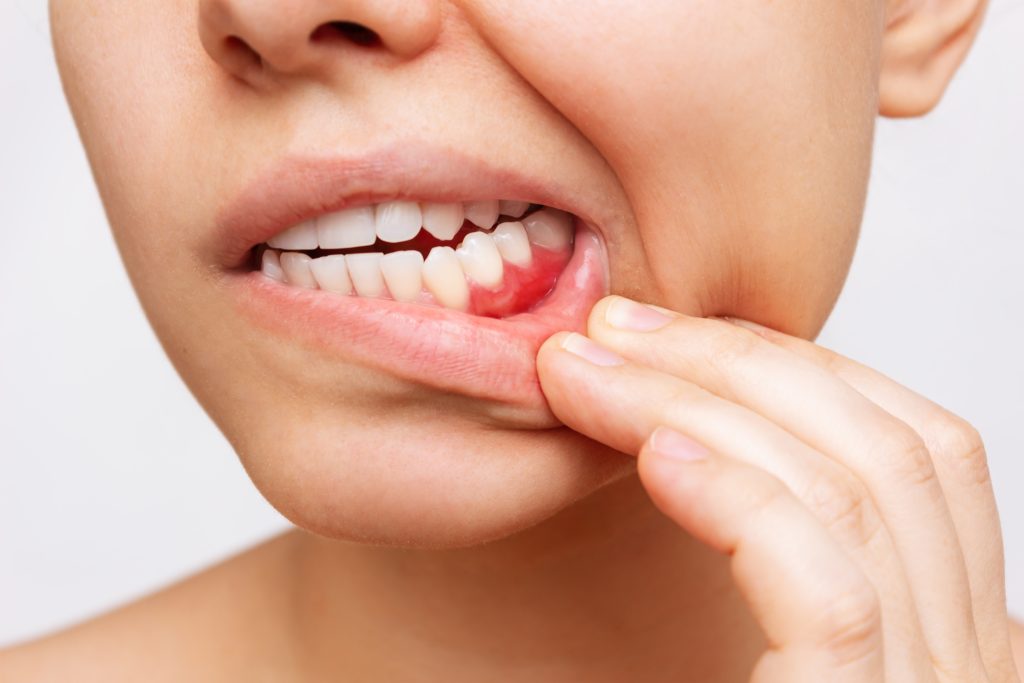
Most mouth ulcers heal by themselves within one to two weeks. If you keep getting them, or you have noticed spots on your tongue that worry you, the cause is usually simple to find and manage, but anything that lasts longer than two weeks should be checked.
Common types of mouth ulcer
Canker sores (aphthous ulcers)
These are the round, shallow ulcers with a white or yellow centre and a red border that appear on the inside of the lips, cheeks or under the tongue. They are not contagious. Most are small and heal in 7 to 14 days.
Ulcers from rubbing or biting
A sharp or broken tooth, a rough filling, braces or a denture can keep rubbing the same spot. These ulcers keep returning until the cause is fixed, which is usually a quick adjustment at the dentist.
Cold sores
Cold sores are caused by the herpes simplex virus and usually appear on the lips as small blisters. Unlike canker sores, they are contagious.
Why mouth ulcers keep coming back
- Minor injury, such as biting your cheek or a hard toothbrush
- Stress, tiredness and hormonal changes
- Toothpastes containing sodium lauryl sulfate (SLS)
- Low iron, vitamin B12 or folate
- Some medications, and conditions such as coeliac disease or inflammatory bowel disease
If your ulcers are frequent, keeping a short diary of when they appear can help your dentist or GP find the pattern.
Spots on the tongue
Many people notice spots on the back of the tongue and worry. The row of large bumps in a V shape at the back is normal anatomy. Small, sore red or white bumps are often inflamed taste buds (papillae), which settle within a few days. Patches that move around the tongue over days or weeks are usually geographic tongue, which is harmless. A white coating that wipes away, leaving red, sore areas, may be oral thrush.
Easing a mouth ulcer at home
- Rinse with warm salty water a few times a day
- Use an SLS-free toothpaste and a soft toothbrush
- Avoid spicy, acidic and crunchy foods until it heals
- Ask your pharmacist about a protective gel or antiseptic mouthwash
When to have it checked
See a dentist or GP if an ulcer has not healed within two weeks, keeps coming back in the same place, has no obvious cause, is painless but will not go away, or comes with fever, swollen glands or difficulty swallowing. At a check-up and clean we look at your whole mouth, including your tongue, cheeks and gums, and can smooth a sharp tooth or adjust an appliance that is causing ulcers.
Common questions
Why do I keep getting mouth ulcers?
Recurring mouth ulcers are most often linked to minor injury (a sharp tooth, braces or biting your cheek), stress, hormonal changes, some toothpastes containing sodium lauryl sulfate, and low iron, B12 or folate. Some people are simply prone to them. Frequent or severe ulcers can occasionally be a sign of a medical condition, so it is worth having them checked.
What are the spots on the back of my tongue?
The large, round bumps in a V shape at the back of the tongue are normal taste structures called circumvallate papillae, and many people notice them for the first time when they look closely. Small red or white spots elsewhere are often inflamed papillae, which settle by themselves within a few days.
What does a white tongue with red dots mean?
A white coating with red dots or patches can be a harmless pattern called geographic tongue, a coating of bacteria and debris that brushing the tongue removes, or oral thrush. Thrush is more likely after antibiotics, with an asthma inhaler or with dentures, and needs treatment, so have it checked if it does not wipe away or clear up.
When should I see a dentist about a mouth ulcer?
See a dentist or GP if an ulcer has not healed within two weeks, keeps coming back in the same spot, is painless but persistent, is unusually large, or comes with fever or difficulty swallowing.
Booking an appointment in Canberra City
Civic Gentle Dental Care is at Suite 8, Level 3, 161 London Circuit, Canberra City. Call (02) 6247 0224 or book online. If you also have a sore tooth or swelling, see our emergency dentist page.