Preventive dentistry is the care that stops dental problems starting or catches them while they are small: regular check-ups and cleans, X-rays when needed, fluoride, fissure sealants, mouthguards and splints, and advice on brushing, cleaning between teeth and diet. It costs far less than treating problems later. A check-up and clean costs a fraction of a crown or root canal, and most extras policies cover it.
Most of what goes wrong with teeth, decay and gum disease above all, is largely preventable. Here is what preventive care involves and why it is the best value in dentistry.
What preventive care includes
Regular check-ups
An examination of the teeth, gums and soft tissues to find decay, gum disease, cracks and wear early, usually before they cause symptoms. Our article on what happens at a check-up and clean goes through the appointment.
Professional cleaning
Removing the hardened calculus that brushing cannot shift, which keeps gum disease at bay. See gum disease for what happens when calculus is left.
X-rays when indicated
Bitewing X-rays show decay between the back teeth that cannot be seen on examination. How often they are needed depends on your risk.
Fluoride
Fluoride strengthens enamel and can reverse very early decay. It comes from fluoridated tap water, fluoride toothpaste and professionally applied varnish.
Fissure sealants
A thin coating that seals the deep grooves of back teeth, where most childhood decay starts. Quick, painless and usually done soon after the adult molars come through.
Protection
Custom mouthguards for sport (see mouthguards for sport) and night splints for grinding (see teeth grinding and splints) prevent fractures and wear.
Personal advice
Practical guidance on brushing technique, cleaning between teeth, diet, dry mouth and anything specific to your mouth.
Why prevention is better value
Dental problems tend to escalate. A small area of early decay may need only fluoride. Left alone, it can need a filling, then a larger filling, then a crown or root canal treatment, and sometimes extraction and replacement. Each step costs more and removes more tooth.
As a guide at our practice:
- A new patient consultation and clean is $219
- Fissure seals are $50 to $100 per tooth
- Tooth-coloured fillings are $209 to $450
- Root canal treatment is $1,200 to $2,000, excluding the final restoration
- Porcelain crowns start from $1,800
- Dental implants start from $5,500
Catching a problem one step earlier usually saves money, time and tooth structure.
What you can do at home
- Brush twice a day for two minutes with a fluoride toothpaste, and spit rather than rinse
- Clean between your teeth once a day
- Keep sugary and acidic food and drink to mealtimes. See what erodes enamel
- Drink tap water, which in Canberra is fluoridated
- Do not smoke or vape
- Wear a mouthguard for contact sport
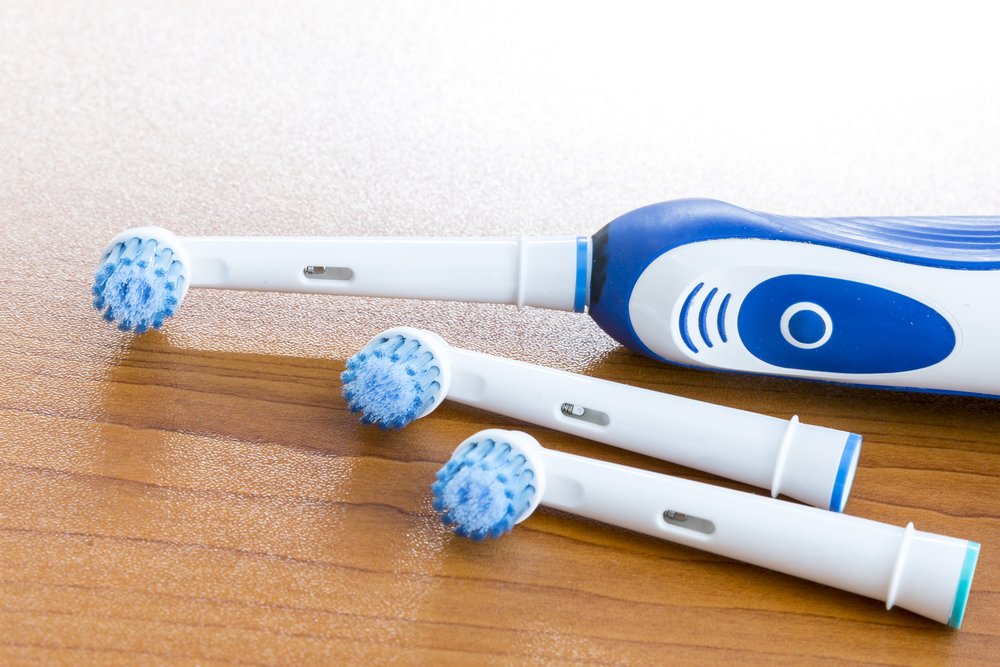
Our article on electric or manual toothbrushes covers technique.
Preventive care for children
Children benefit most from prevention, because good habits and sealed molars protect teeth for life. The first visit should be by the first birthday or when the first tooth appears. Eligible children may be covered under the Child Dental Benefits Schedule. See our children’s dentistry page.
Health fund cover
Preventive care such as check-ups, cleans, fluoride and X-rays falls under general dental in most extras policies, often up to twice a year. We are a preferred provider for nib First Choice and Westfund, and HICAPS lets you claim on the spot. See using health fund extras before they reset.
More about our preventive and general care is on our general dentistry page.
Common questions
If nothing hurts, do I need a check-up?
Yes. Early decay and gum disease are usually painless. By the time something hurts, treatment is often more involved.
How often should I have a check-up?
Usually every six to twelve months, depending on your risk. Your dentist will suggest an interval.
Are fissure sealants only for children?
They are most often used in children and teenagers, but adults with deep grooves and no decay can benefit too.
Is fluoride safe?
Yes, at the levels used in toothpaste, tap water and professional treatments. Young children should use a pea-sized amount of low-fluoride toothpaste and spit it out.
Booking an appointment in Canberra City
Civic Gentle Dental Care is a dentist in Canberra City at Suite 8, Level 3/161 London Circuit, a short walk from the Canberra Centre. To arrange an appointment, call (02) 6247 0224 or send us a message through our contact page.
This article is general information only and is not a substitute for individual dental advice. Whether a treatment is suitable for you, and what it will involve, can only be determined after an examination by a dentist. Any prices mentioned are estimates drawn from our current price guide and are not a quote.